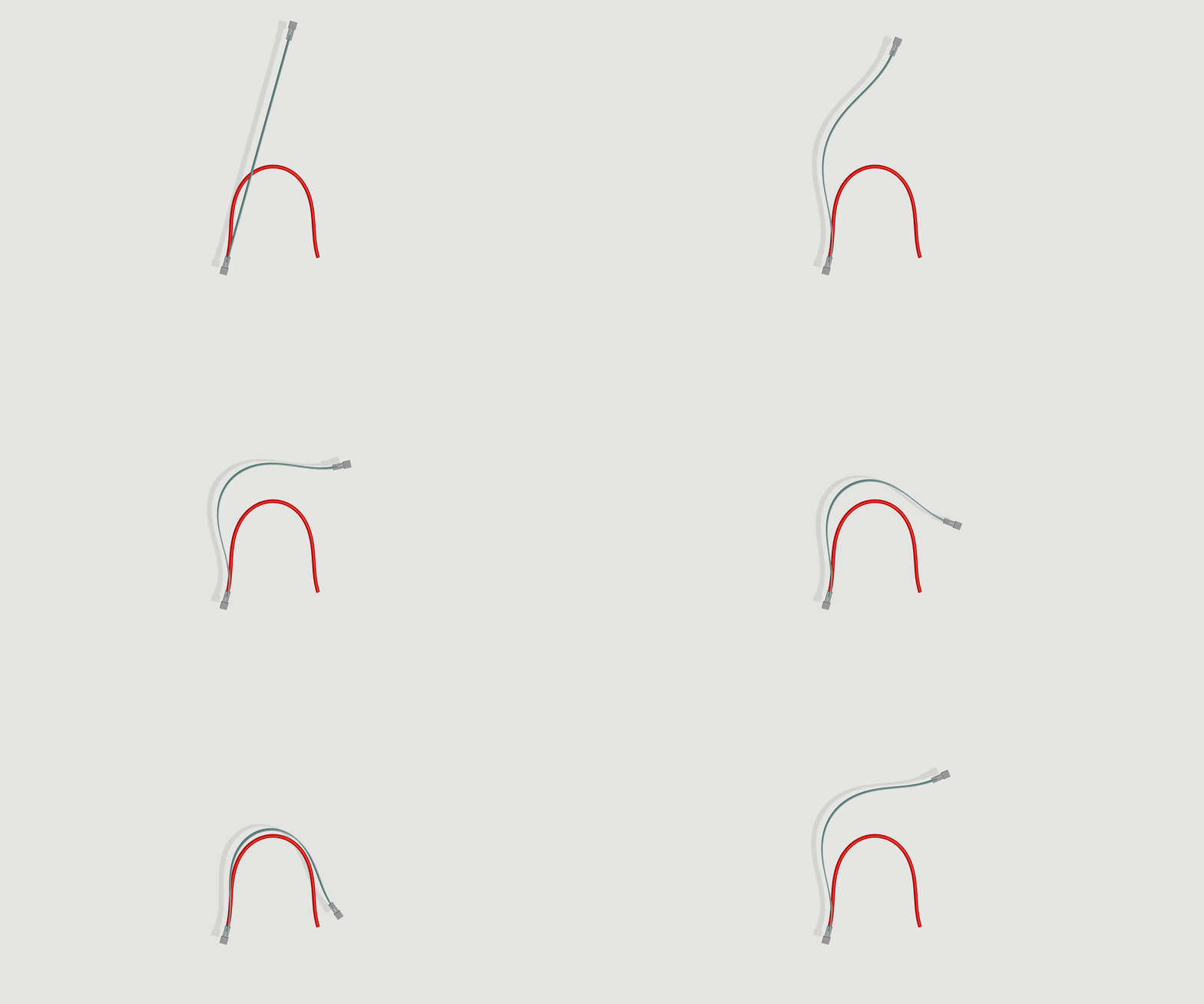
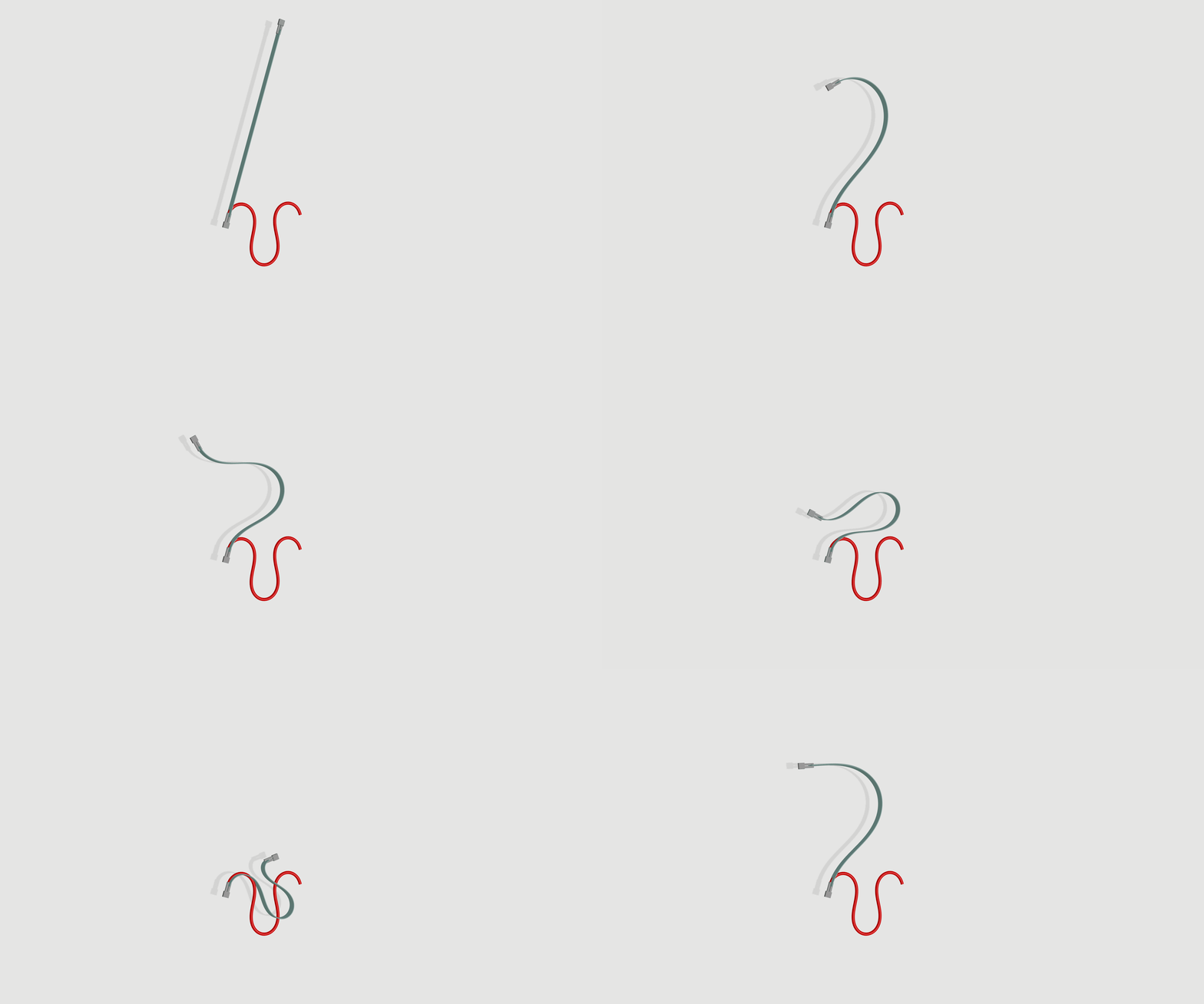
We present Neural Control, an adjoint-based learning framework for controlling soft, deformable structures whose dynamics are governed by static equilibrium constraints. By differentiating through the equilibrium via implicit differentiation and pairing it with receding-horizon control, our method avoids unrolling expensive forward simulations and scales to high-dimensional shape objectives. We validate the approach on three representative tasks — node targeting, trajectory tracing, and shape control — where it achieves orders-of-magnitude lower tracking error at a fraction of the compute cost of derivative-free baselines.
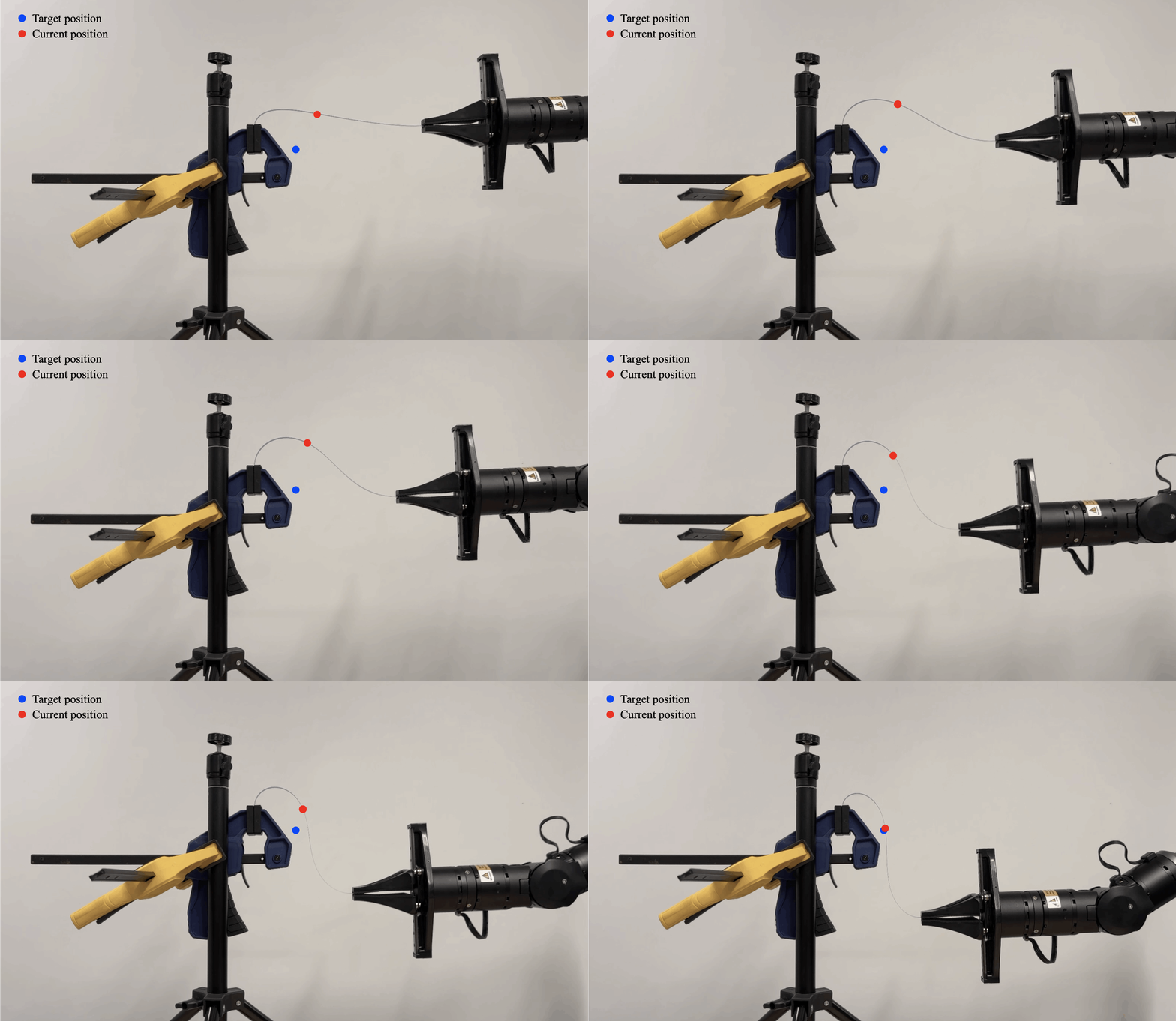
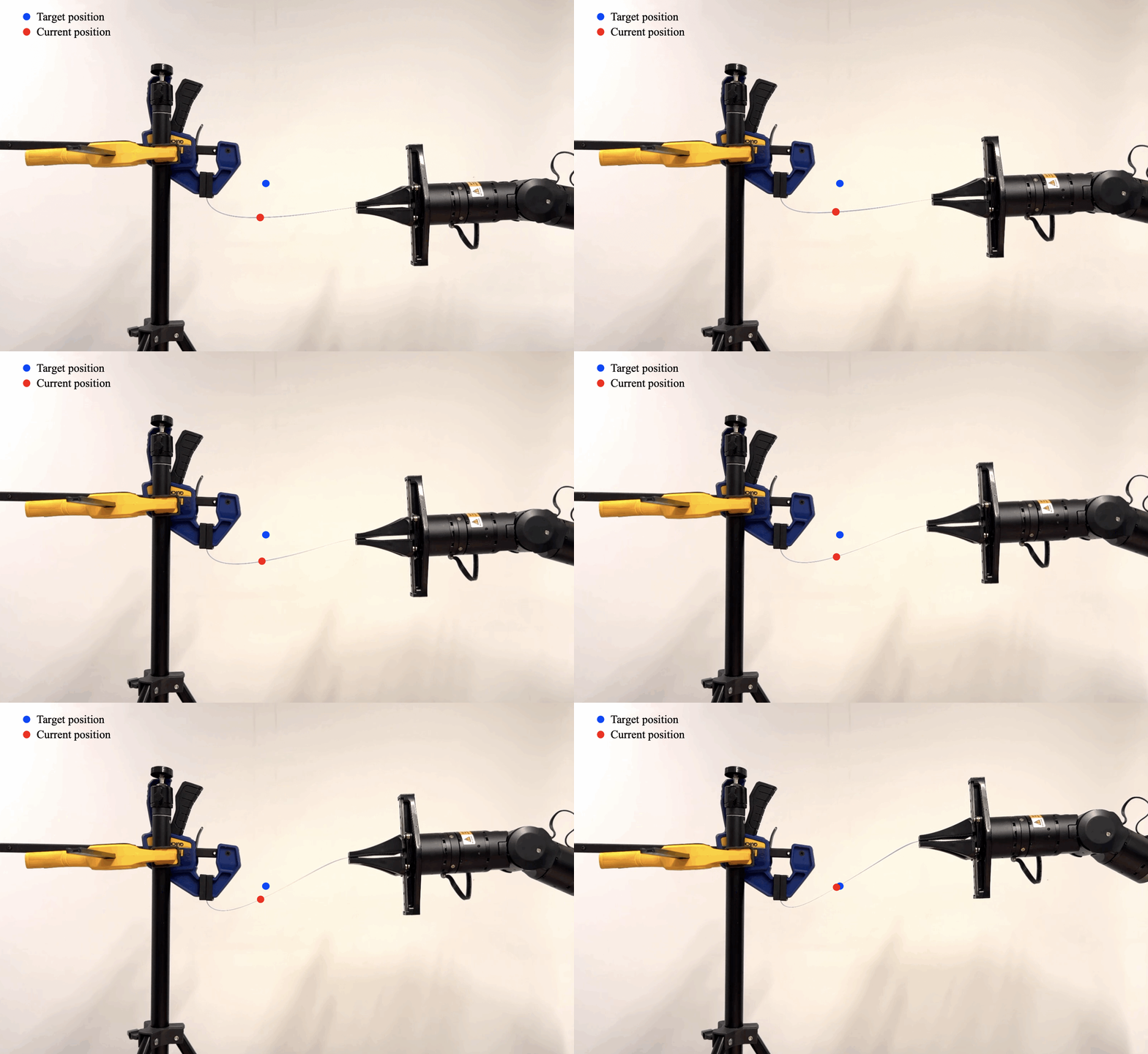
Drive a selected node of an elastic strip to a prescribed target position. The four examples below highlight different initial configurations and target locations, demonstrating that Neural Control converges to the goal across diverse boundary conditions.
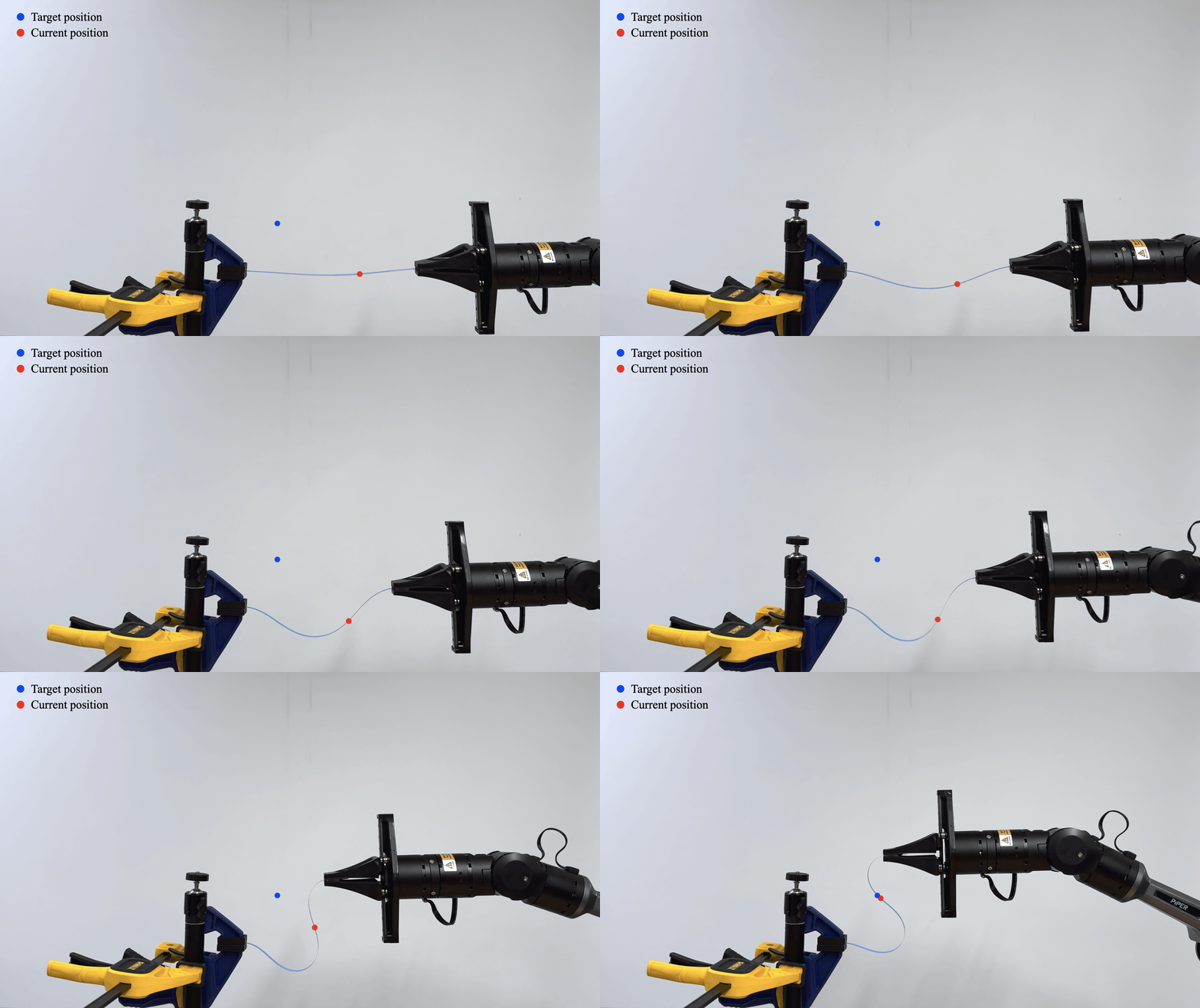
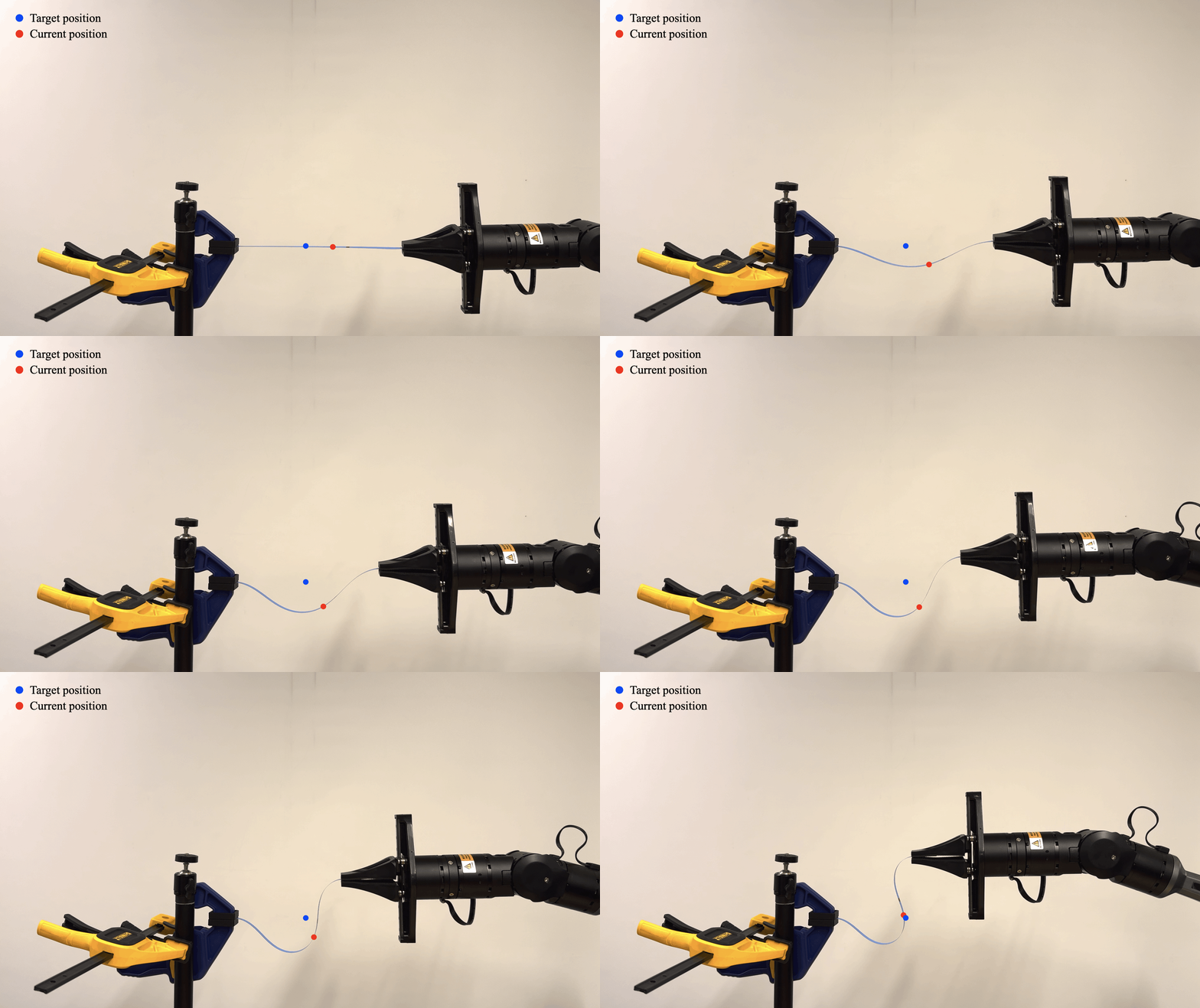
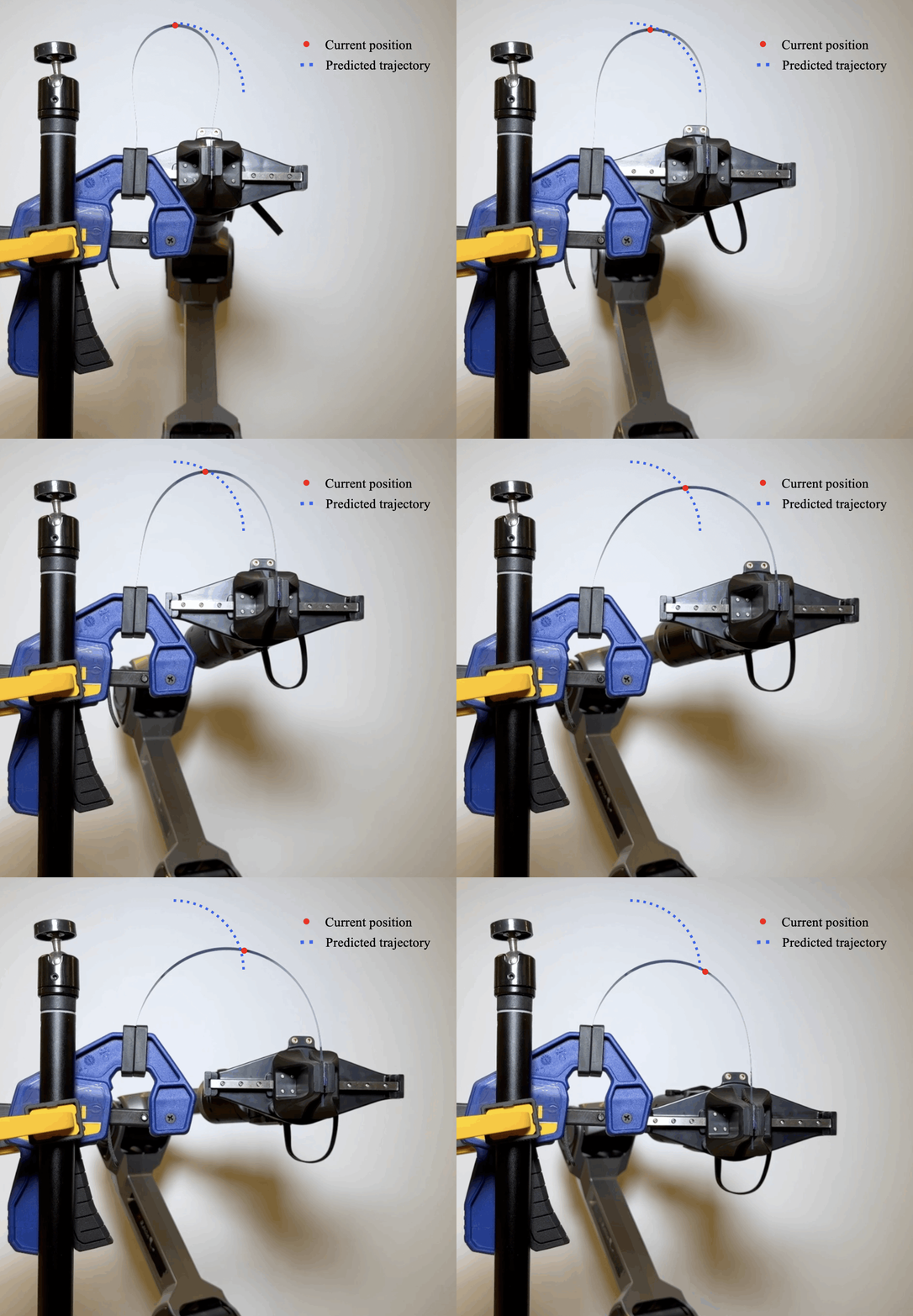
Trace the middle node of an elastic strip along a prescribed trajectory over time. The two examples below show tracking on curves with distinct curvature profiles, showing accurate trajectory following throughout the rollout.
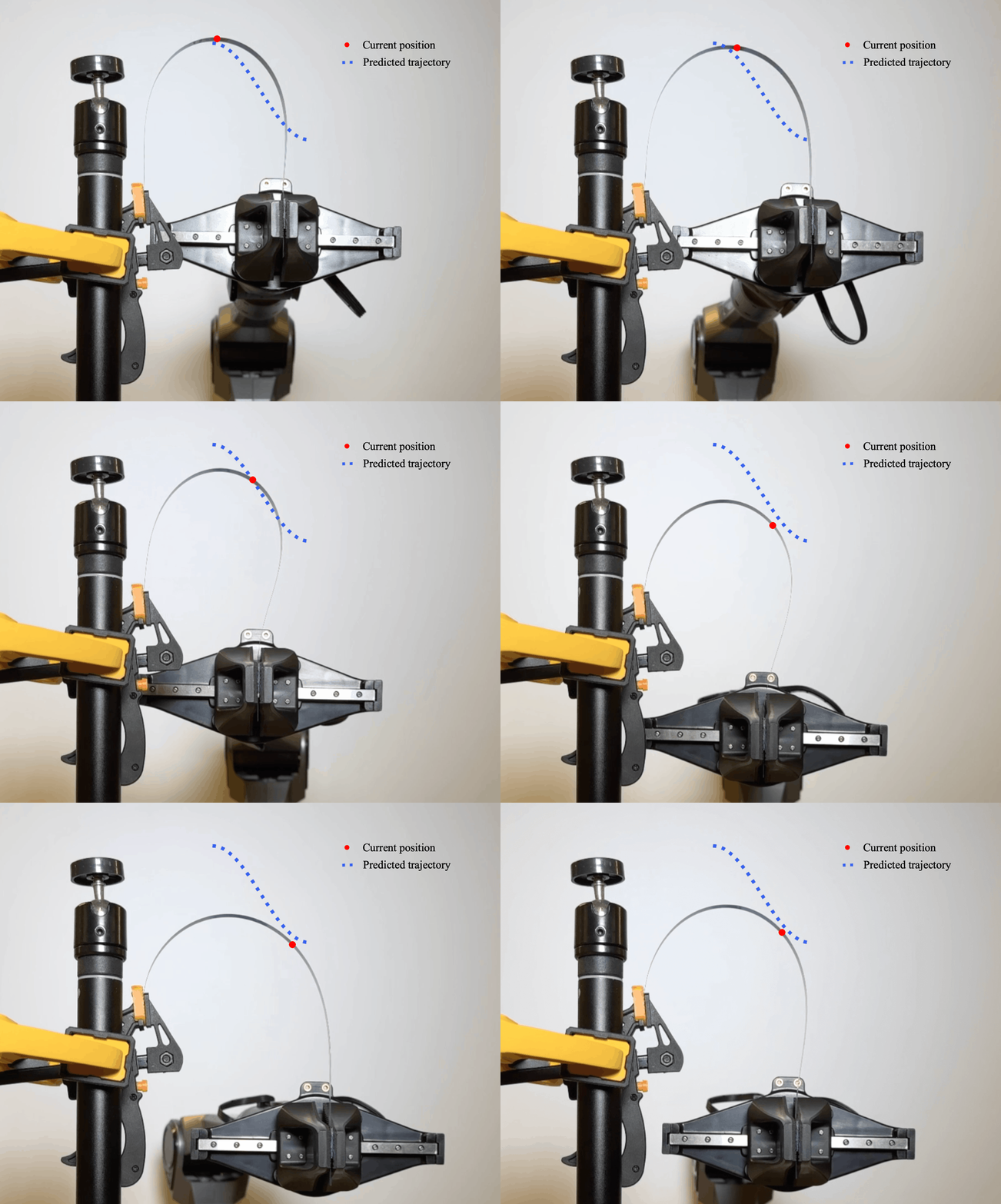
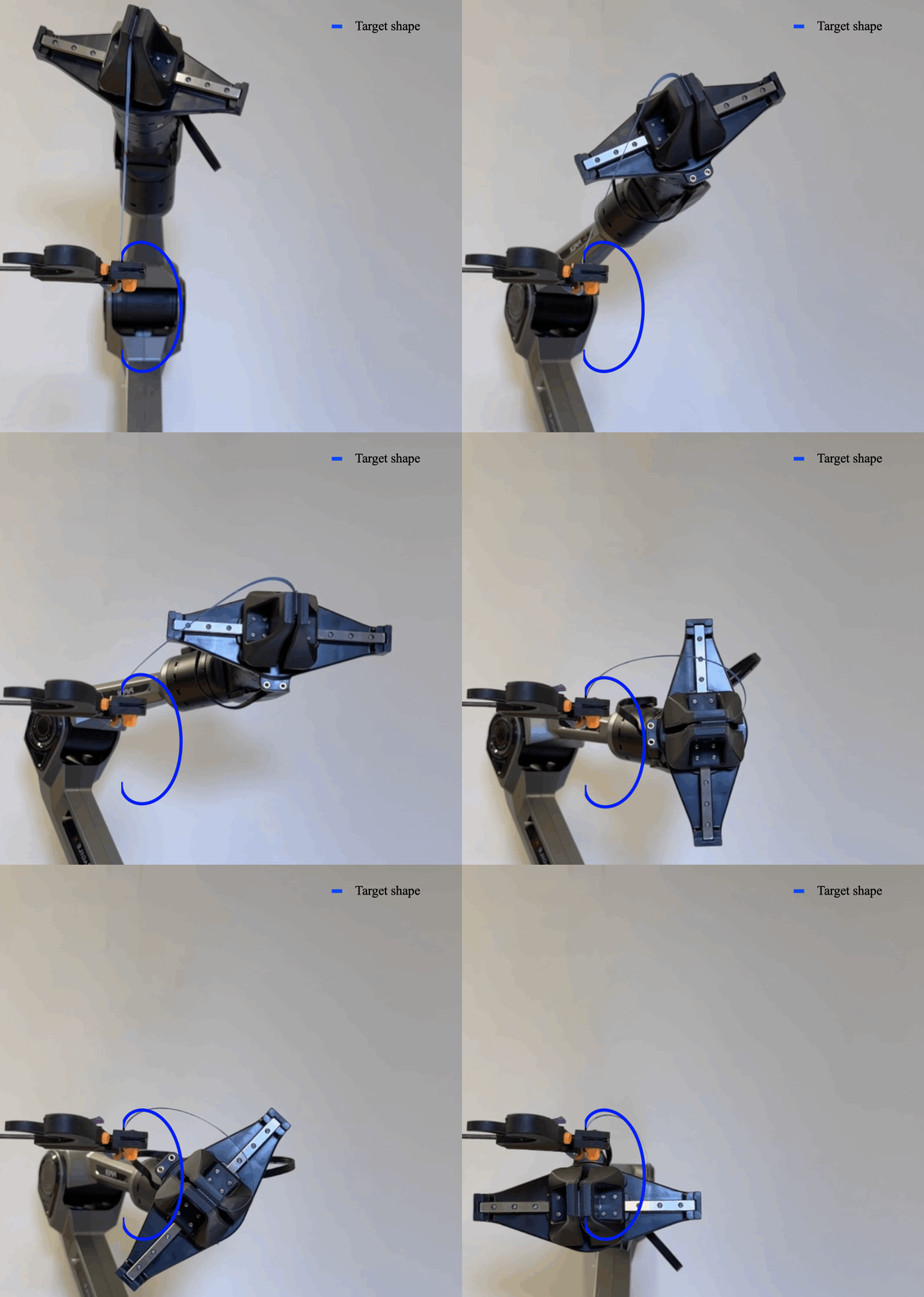
Deform an entire elastic strip toward a prescribed target configuration. This task requires coordinated control of the full body of the structure rather than a single node, illustrating the ability of Neural Control to handle complex objectives that depend on the global shape of the structure.
If you find this work useful, please cite:
@inproceedings{neuralcontrol2026,
  title     = {Neural Control: Adjoint Learning Through Equilibrium Constraints},
  author    = {Dezhong Tong, Jiawen Wang, Hengyi Zhou, Yinlong Shen, Xiaonan Huang, M. Khalid Jawed},
  booktitle = {Proceedings of the International Conference on Machine Learning (ICML)},
  year      = {2026}
}